
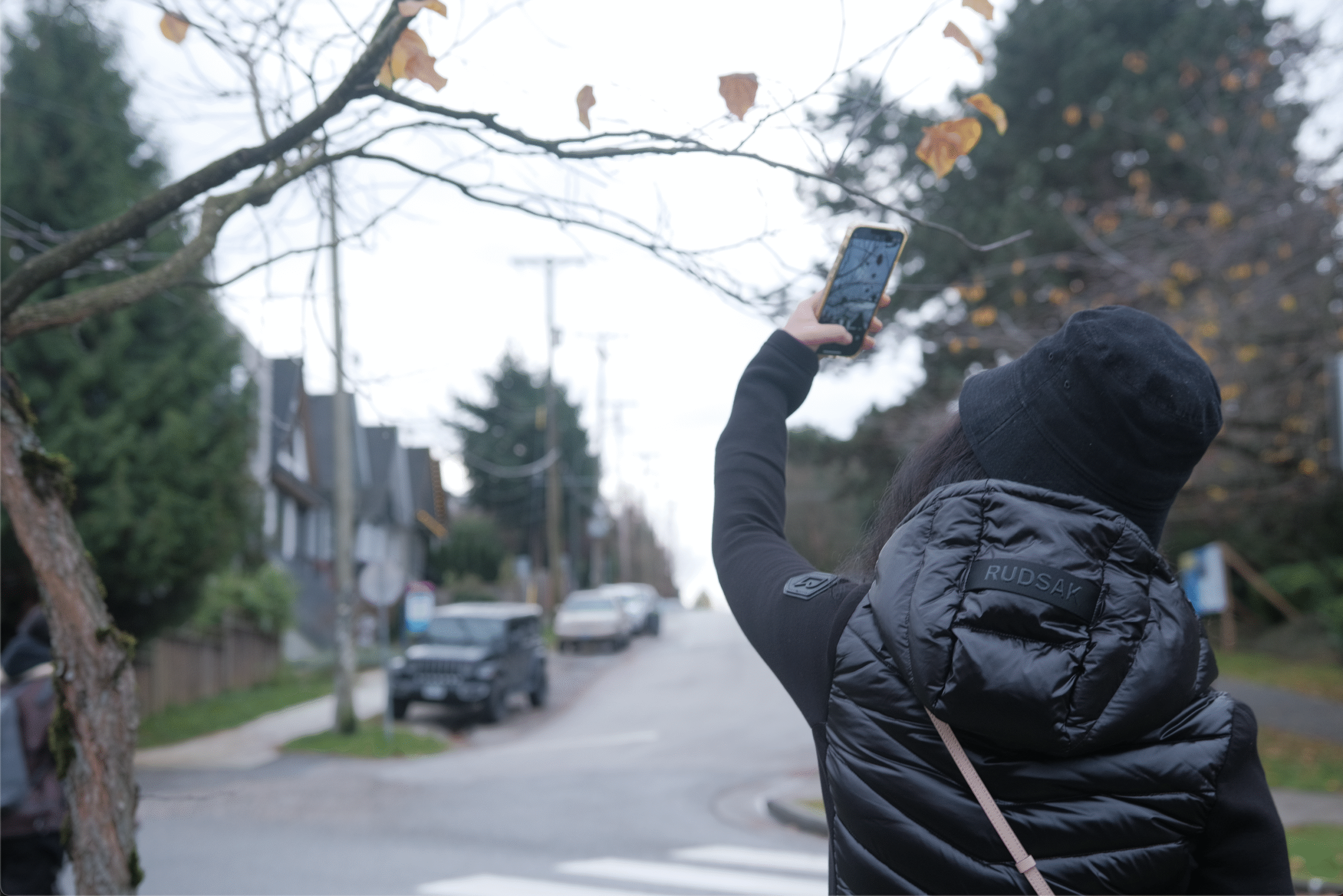
How does information live in space – not just on screens, but in streets, buildings, libraries, and gestures? How might our understanding of “navigation” shift when digital and physical systems overlap?
This was the inquiry behind the Blended Spaces Walkshop, a pedagogical, participatory activity conducted with undergraduate and graduate design students at Emily Carr University in early Fall 2024. The activity was rooted in the theory of blended spaces-where digital and physical environments combine to create new forms of experience, presence, and meaning. Building on the work of Andrea Resmini and cognitive blending theory, the walkshop offered a field-based, low-tech way to explore how we interact with information through our bodies, environments, and tools.
Structure
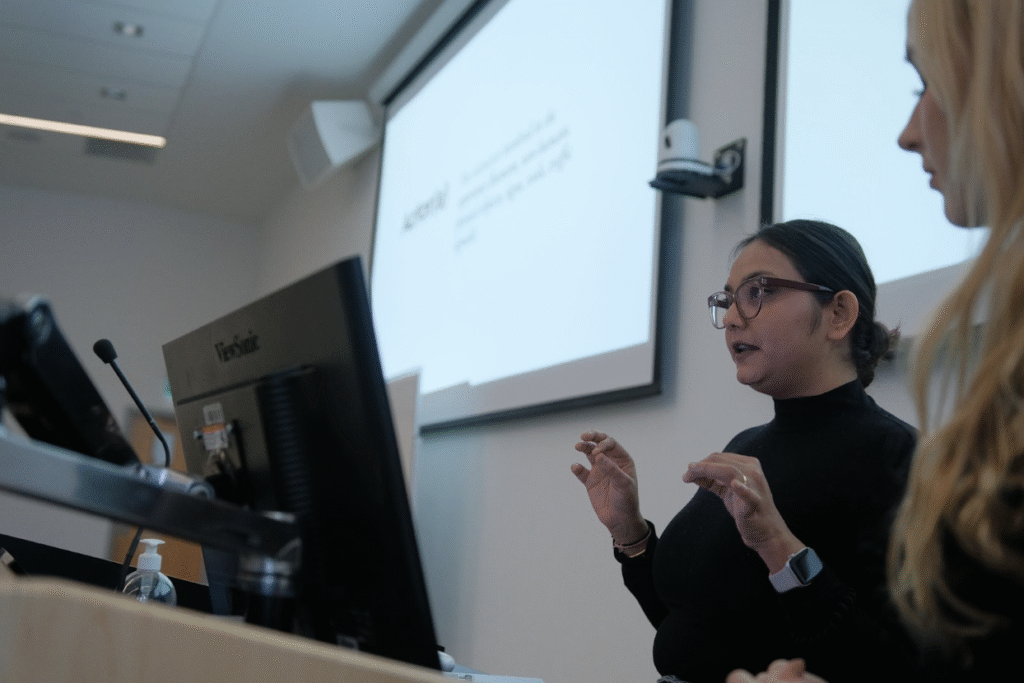
The day began with a short presentation introducing key vocabulary:
- Choreography – how people move through space
- Topology – spatial relationships between elements
- Ontology – what kinds of things populate the space
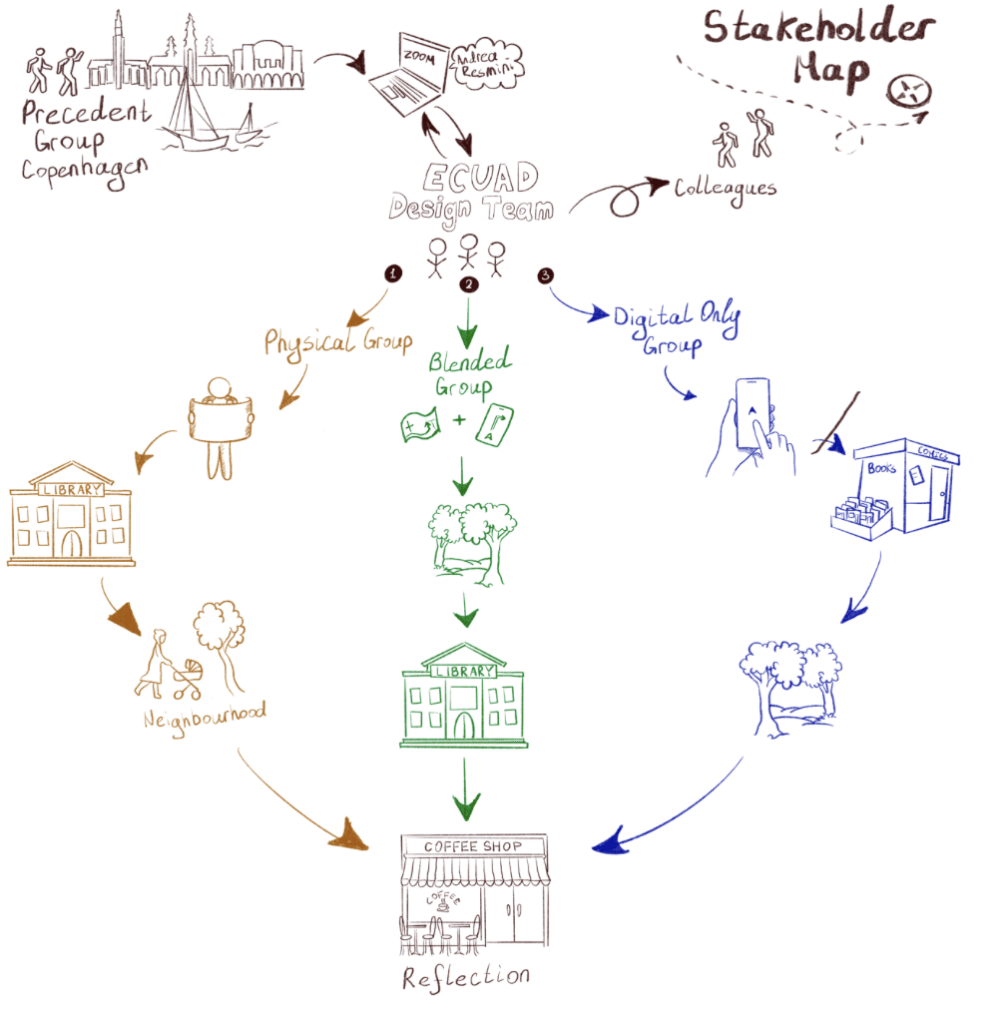
Participants were then grouped based on a simple embodied exercise: choosing to either sketch or photograph an object placed in front of them. The sketchers formed the analog group, the photographers the digital group, and those who chose both joined the hybrid group.
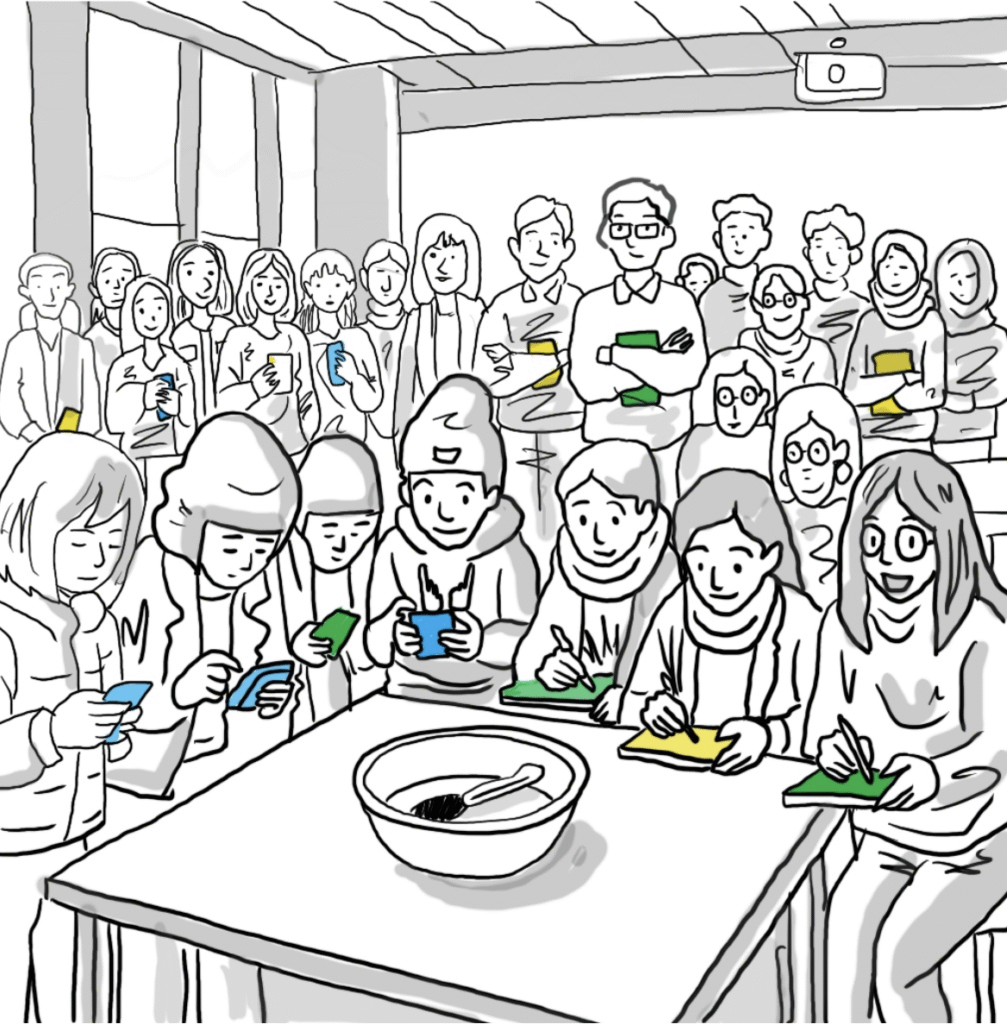
Each group received a guided itinerary through Mount Pleasant in Vancouver, visiting a mix of mapped destinations including a local library, community centre, and cafes. Along the way, they captured their reflections using either paper prompts or shared digital documents. Their task was not just to get from point A to B, but to notice how they moved, how they found information, and how that experience shifted depending on their tools.
Key Observations
In many ways, the friction built into the analog group’s process-navigating by paper map, asking strangers for directions, sketching street plants by hand – led to more spontaneous, embodied experiences. One group member shared stories about berries from their home country while drawing a bush growing along the sidewalk. Another observed how paying attention to street names and architectural cues grounded their sense of place more than GPS ever had.
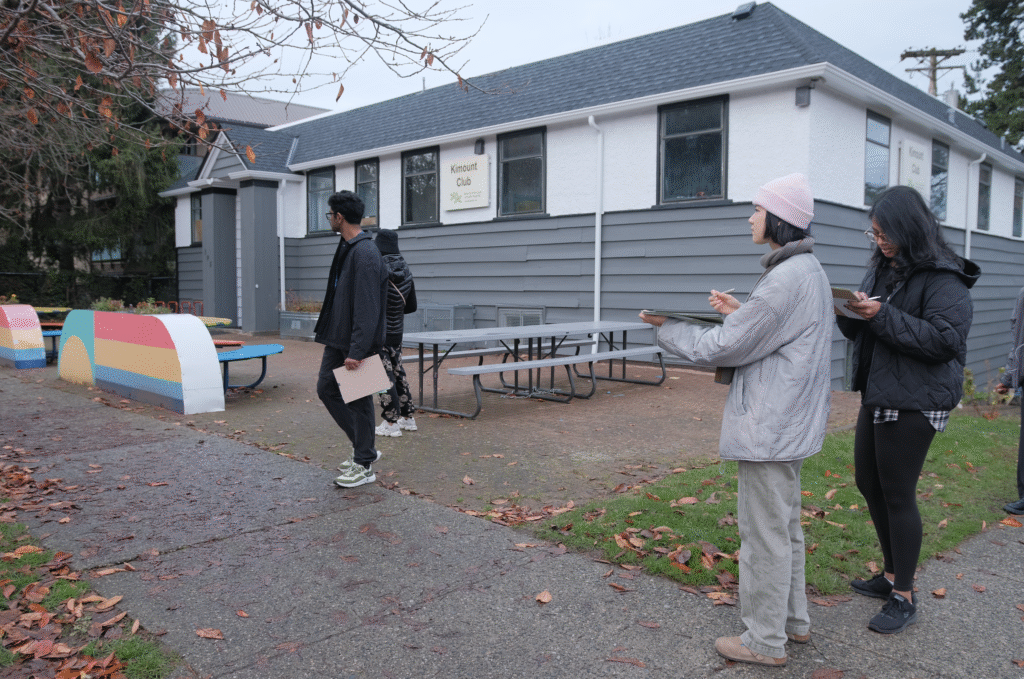
By contrast, the digital group encountered technological hiccups: issues accessing cloud files, trouble sharing media, moments of disconnection. Yet even within these challenges, insights emerged. One participant remarked how easy it was to miss physical context when following a blue dot on a screen.
At the end of the walkshop, the groups collected at a local cafe, where they shared their reflections and observations, both in verbal and written formats. Some leaned into structured definitions, seeking “ontology” in book categories and shelf displays. Others let the prompt dissolve, filling margins with sketches, notes, and memories. The tactile materials, unexpected pauses, and side conversations became key learnings in themselves.
The Joys of Our Experience
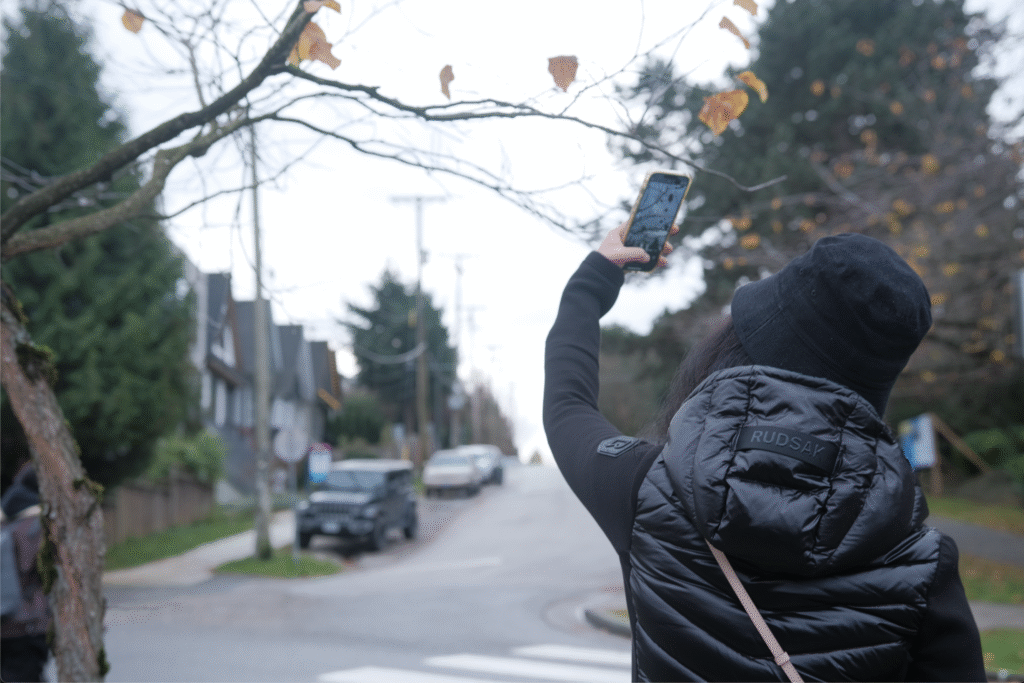
This walkshop wasn’t designed to reach a final conclusion. Instead, it opened a space to ask: What do we notice when we slow down?
What does it mean to “find” information, not just access it?
How might we, as designers, create systems that make space for presence, serendipity, and embodied understanding?
Informed by neurobiology, interaction design, and place-based pedagogy, this activity explores friction as a generative design quality. As Richard Sennett writes, “People need friction in order to learn, to think, and to feel.” Designing with embodiment and intentional resistance offers a counterpoint to the dominant narratives of seamlessness in user experience.
What’s Next?
A full case study on the Blended Spaces Walkshop will be released soon, including workshop guides, theoretical framing, participant quotes, and lessons learned. It is intended as a resource for educators, practitioners, and researchers exploring embodiment in their practice.
To learn more or run your own version of the Walkshop, please reach out to the team.
Contact:
Eugenia Bertulis | ebertulis@ecuad.ca
Dechen Nagi | dechen.nagi@gmail.com
Angelina Rudakova | arudakova.des@gmail.com

Leave a Reply