Author: peter

  • Piano Transplants by Annea Lockwood

    Piano Transplants by Annea Lockwood

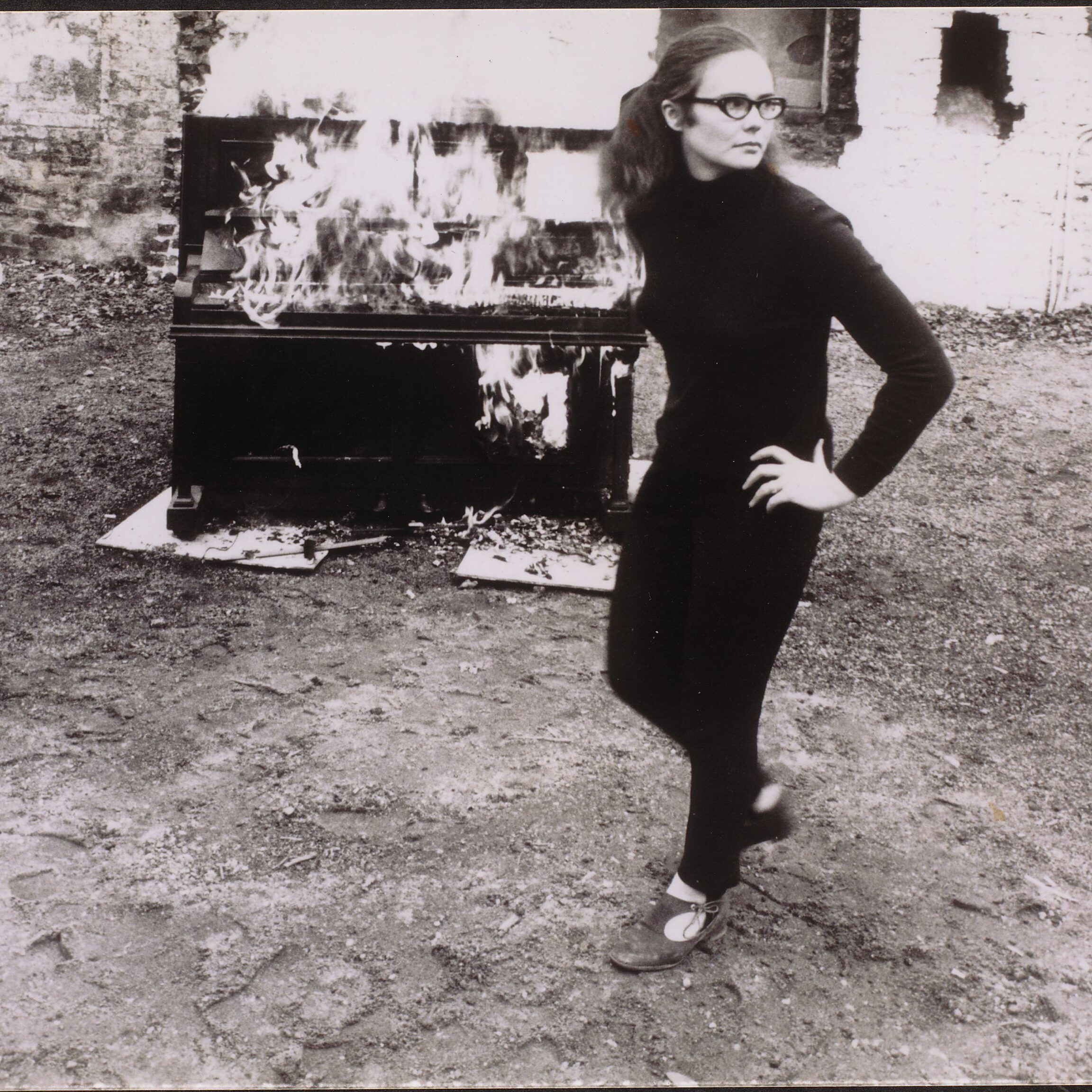
    During the 1960s, Lockwood created works such as the Glass Concerts, initiating her focus on timbre and new sound sources. In synchronous homage to Christian Barnard’s pioneering heart transplants, Lockwood began a series of Piano Transplants (1969-82) in which defunct pianos were burned, drowned, beached, and planted in an English garden. Piano Burning continues to be performed around the globe.

    Lockwood’s deep affection for all things water-related is evident throughout her catalog. Her attention to performance works focused on environmental sounds and life narratives began in the 1970s and ’80s with World Rhythms and A Sound Map of the Hudson River. A Sound Map of the Danube weaves field recordings of the rivers with recorded stories of the people living and working on the water. Delta Run features a recorded conversation with the sculptor Walter Wincha near the time of his death. Her 2016 tribute to the composer Pauline Oliveros, bayou-borne, for Pauline, is a graphic score; a map of the six converging bayous in Houston, Texas, where Oliveros was born.

    Collaboration and improvisation are vital features of Lockwood’s output. Jitterbug, commissioned by the Merce Cunningham Dance Company for the dance eyeSpace, incorporates Lockwood’s recordings of aquatic insects, and three improvising musicians working from photographs of rock surfaces. She has worked with engineer and sound designer Robert Bielecki on devices such as the Sound Ball, created for Three Short Stories and an Apotheosis in which a ball containing six small speakers and a receiver is rolled, swung on a long cord, and passed around the audience. Lockwood and Bielecki also collaborated on the outdoor installation Wild Energy (2014), which resides in the permanent collection of the Caramoor Center for Music and the Arts and draws on geophysical and atmospheric infra and ultra sound sources transposed into the human hearing range.
    https://www.annealockwood.com/

  • Still Life No. 3 by Raven Chacon

    Still Life No. 3 by Raven Chacon

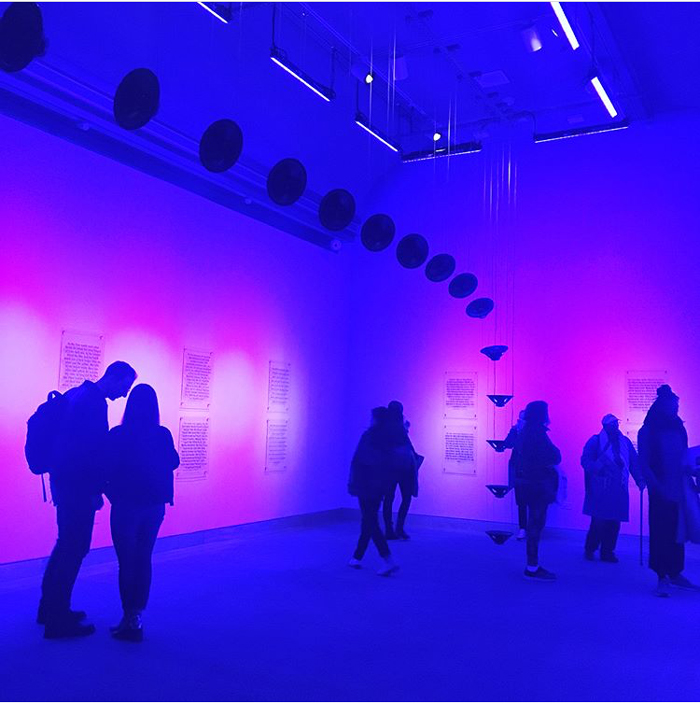
    This work retells the Diné Bahaneʼ, the Navajo story of creation and emergence into the current world. Using timed audio and delay systems, the speech of a woman telling the story in Navajo language is transferred through a series of connected speakers activating future and past parts of the same story, revealing instances when long history repeats itself. As words emanate from the speakers, voices overlap, blurring the linearity of the story.

    https://spiderwebsinthesky.com

  • Miya Masaoka

    Miya Masaoka

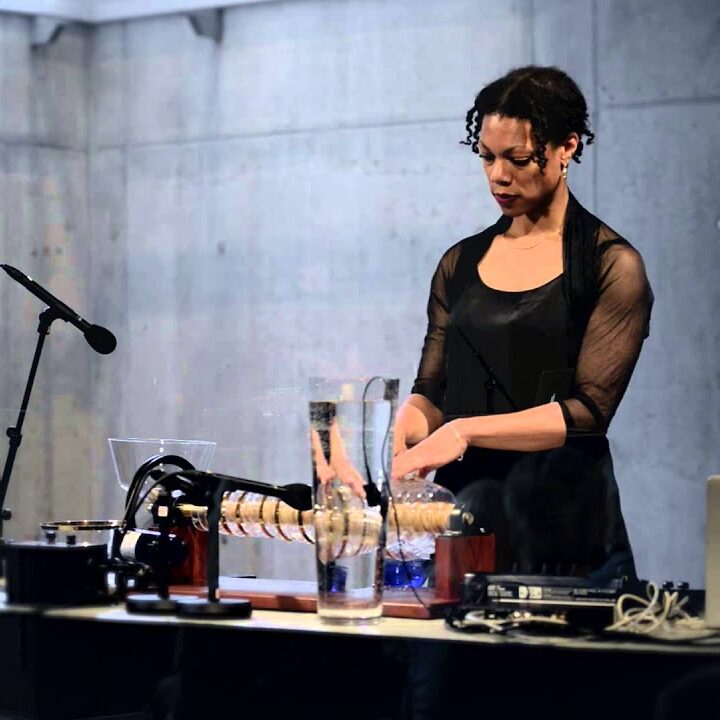
    Resonant frequencies meet parabolic surfaces made from clay of the earth, animals of the sea, and met with the activity of human toil.

    Miya Masaoka is a Guggenheim and Rome Prize-winning composer, performer, and installation artist. Her work explores the natural world, bodily perception of vibration, movement and time while foregrounding complex timbre relationships. . Classically trained, her work operates at the intersection of spatialized sound, frequency and perception, performance, social and historical references. Whether recording inside physical objects or inside a plant or the human body, within architecturally resonant spaces or outdoor resonant canyons, she creates incongruencies that feed the paradox of the contemporary condition. She is a polyglot, and speaks six languages.

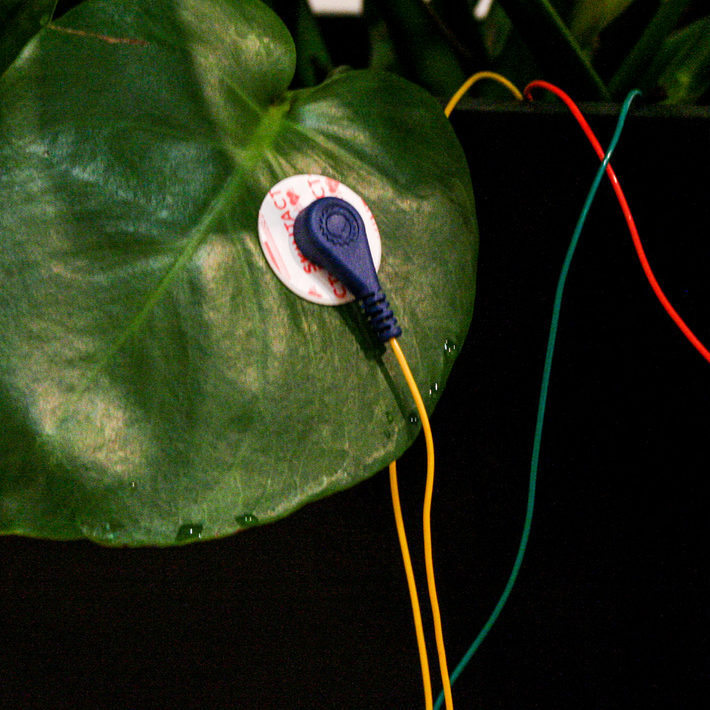
    Her interconnected artistic practices include notated composition, alternative personas, hybrid acoustic-electronic performance on Japanese traditional string instruments such as the koto and ichigenkin. Her work includes writing new Noh music, instrument building, wearable computing, and sonifying the behavior of plants, brain activity and insect movement. Her work has been exhibited nationally and internationally, including the Venice Biennale, Park Avenue Armory, MoMA PS1, Kunstmuseum Bonn, Institute of Contemporary Art Philadelphia, Museum of Contemporary Art Chicago, and the Laboratorium for Contemporary Art Museum at Ujazdowski Castle and Siggraph. She was the keynote speaker for NIME (New Interfaces for Musical Expression) in Brisbane, Australia and a Fulbright Fellow to Japan in 2016. She has been the recipient of such grants and commissions as the Doris Duke Artist Award, the Alpert Award in the Arts, The Gerbode Foundation, The Electronic Music Foundation, the MAP Fund, The NEA, The Montalvo Arts Center’s Lucas Artists Residency, STEIM, Issue Project Room (Siloh), The Headlands, Harvestworks at Governors Island and others. Masaoka has taught composition at New York University and the Sound program at the Milton Avery School of the Arts at Bard College. She is named a Park Avenue Armory Studio Artist in 2019, as has a commission to create an outdoor sound installation for Sonic Innovations at the Caramoor in 2019.

    https://miyamasaoka.com/

  • The River by Jana Winderen

    The River by Jana Winderen

    The River is a 32 channel sound installation composed for the Jerwood Gallery in the Natural History Museum in London. The River is made in collaboration with Tony Myatt.

    Jana has based her composition on recordings she has done over the last year from the source to the mouth of the river Thames. From the website of the Natural History Museum:

    The River is a captivating art installation by sound artist Jana Winderen in collaboration with sound specialist Tony Myatt. Listen to the watery depths of the River Thames, featuring captivating recordings from an underwater habitat that’s often inaccessible to our ears. Discover the beauty and importance of underwater sound and explore how human-made noises can contribute to sound pollution in our waters.

    Sound plays a crucial role in underwater ecosystems, enabling animals to communicate, breed and migrate. In this installation, listen out for the diverse sounds of mammals, fish, insects and crustaceans living in the River Thames, alongside human-made noises found from source through the bustling city and into the sprawling estuary. These sounds highlight how noise pollution is affecting how aquatic life interacts and communicates.

  • Party / After-Party by Carl Craig

    Party / After-Party by Carl Craig

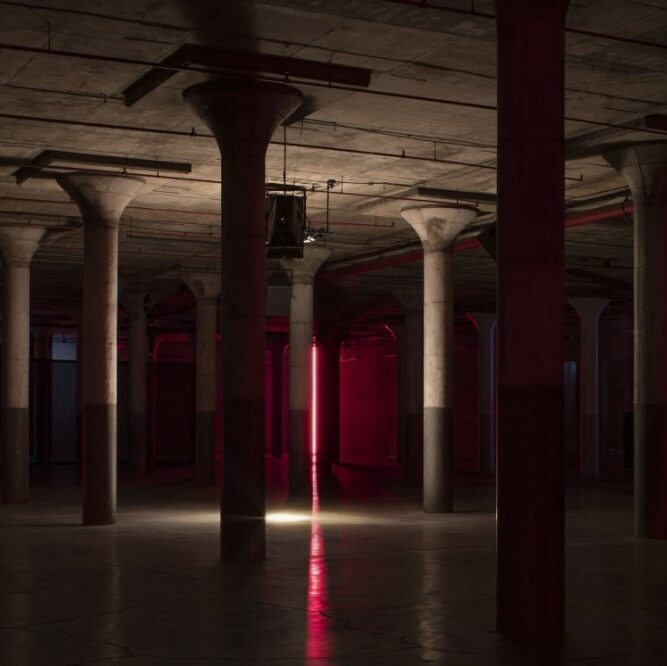
    Detroit-based techno DJ and producer Carl Craig’s immersive environment, Party/After-Party, 2020, is a visceral sound and somatic experience that evolves with each new iteration. Drawing on Craig’s 30-year career as an internationally touring DJ, Party/After-Party guides visitors sonically through a club night from the perspective of the DJ. Starting in those moments before the crowd arrives and the DJ spins alone, before reaching its crescendo with the party’s pulsing apex, and finally slipping towards the melancholic embrace of the after-party, the work evokes the collective ecstasy and desolation found only on a club dance floor.

    Originally commissioned by Dia Art Foundation, this sonic statement responds directly to the architecture of The Geffen Contemporary at MOCA and reclaims the former manufacturing site and police storage facility as a space for agency and radical experimentation.

    Upon entry, visitors are enveloped by Craig’s soundscape which honors the Black pioneers of techno and electronic music. As one moves through WAREHOUSE techno beats fill the space, the darkness broken intermittently by neon strips, before the skylights above flood everything with natural light, signaling the cycle’s peak and the transition towards “dawn.”

    While Party/After-Party was conceived before the COVID-19 pandemic, the context of the past three years makes it impossible to enter the space and not crave the heat and thudding bass of clubs such as Berlin’s iconic Berghain, which Craig has headlined, while also acknowledging the collective loss of communal experiences. Beats build and recede, evolving slightly with every 30-minute evolution so that no two are the same, and at times incorporating references to Craig’s tinnitus, a byproduct of a lifetime of loud music; Party/After-Party is Craig’s invitation into his personal world and the spaces he shapes through sound.

    Party/After-Party is accompanied by Party/After-Party Sessions, a series of three live concerts co-presented with Insomniac and Secret Project that are a continuation of the collaborations at the heart of Craig’s practice.

  • Krzysztof Cybulski

    Krzysztof Cybulski

    Krzysztof Cybulski is a musician and sound artist. In his work he combines analog, digital, acoustic and mechanical elements in a postdigital approach, mixing new and obsolete technologies to create new and surprising combinations that eventually become interactive sound installations and instruments.

    Modular Process Music is a concept / set of instruments designed to create improvised music in a new way. The title can be understood in 3 ways:

    • “process music” – a method of creating the music where a composer/artist doesn’t create fixed piece; rather they are designing a process which, in turn, generates the music;
    • “modular process” – a process that could be redesigned on the fly by changing the order and relationships of several sound modules;
    • “modular music” – a piece of music comprising of modules, or parts, which can be reassembled and rearranged freely on the go.

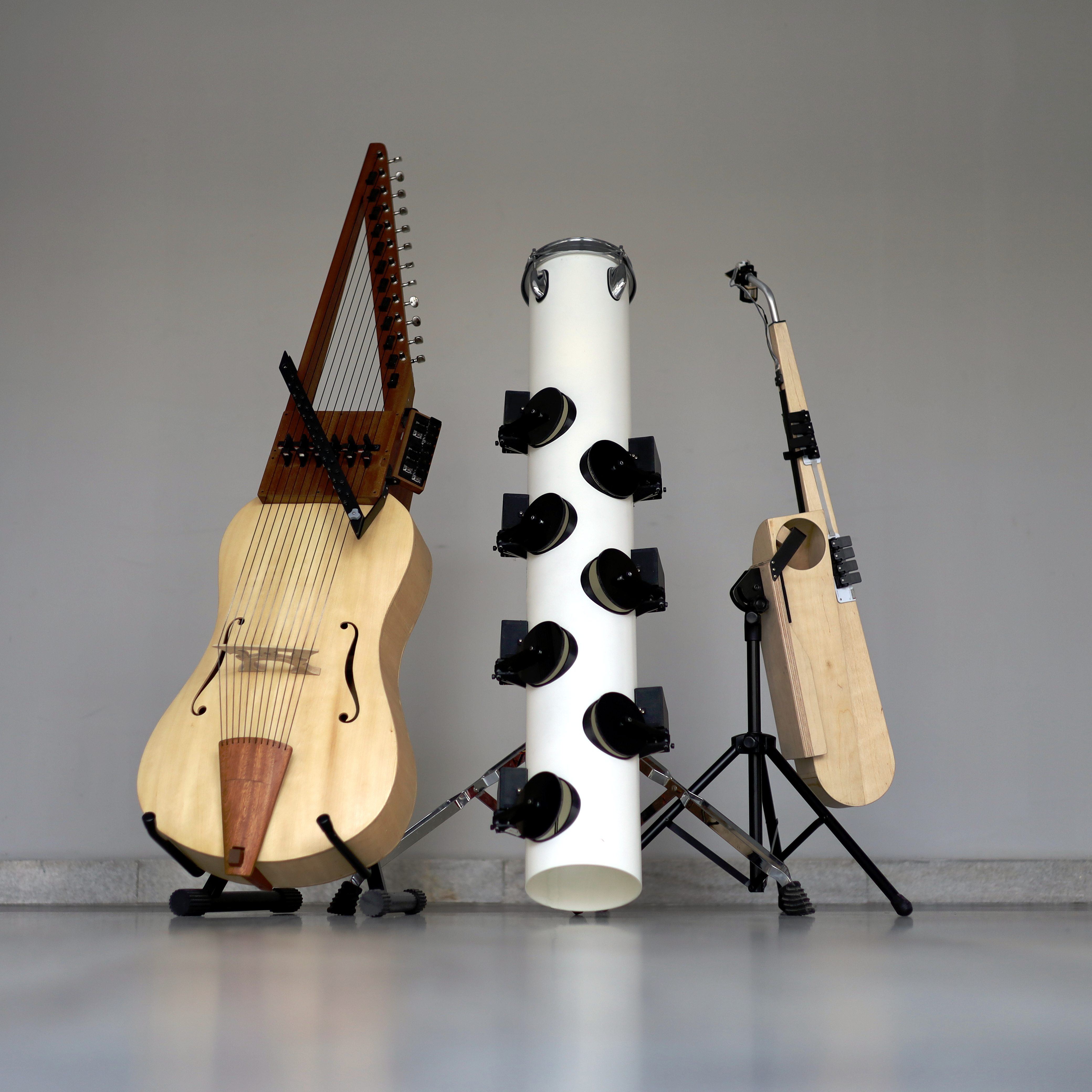
    The instruments communicate with each other through sound itself, in the same way as improvising musicians do. Unlike a typical modular synth, rather than connecting the modules with patchcords, each instrument has a speaker and a gooseneck microphone, so they can listen to each other or to any other external sounds. Some of the instruments are controlled only with sound, other could be also controlled manually. The instruments are designed to make their interactions and the process of creating sound clearly visible and comprehensible to the audience – visual feedback is provided by mechanical movement of the elements.

    The project consists of 7 instruments. Each of them can work independently, but they could also be combined together in a number of different ways:

    • Tape Sampler is a digitally controlled analog tape recorder, with the ability to sequence tape speed and direction of movement;
    • Memo/move is a midi controller with 3 motorized faders, which can loop the actual fader movements, rather than the sound itself;
    • Memo/move works together with Granular Sampler, allowing for capturing and manipulation of the sound on the fly;
    • Igafon and Igafon Pro are lo-fi samplers, Igafon Pro’s sound can be also triggered by external sounds;
    • Rhythm Box V.2 creates ever-changing rhythmical structures, complexity of which is based on the volume of external sound;
    • String Box V.2 creates harmonies based on notes detected in external sounds, it can be triggered by short percussive sounds.

    Rhythm Box and String Box were created in late 2016 as “Feedboxes”, but their software had been rewritten in 2019 to suit the Modular Process Music project. The project can be presented as a performance and / or workshop; some of the instruments can be also presented as interactive objects / installations.

  • Mendi + Keith Obadike

    Mendi + Keith Obadike

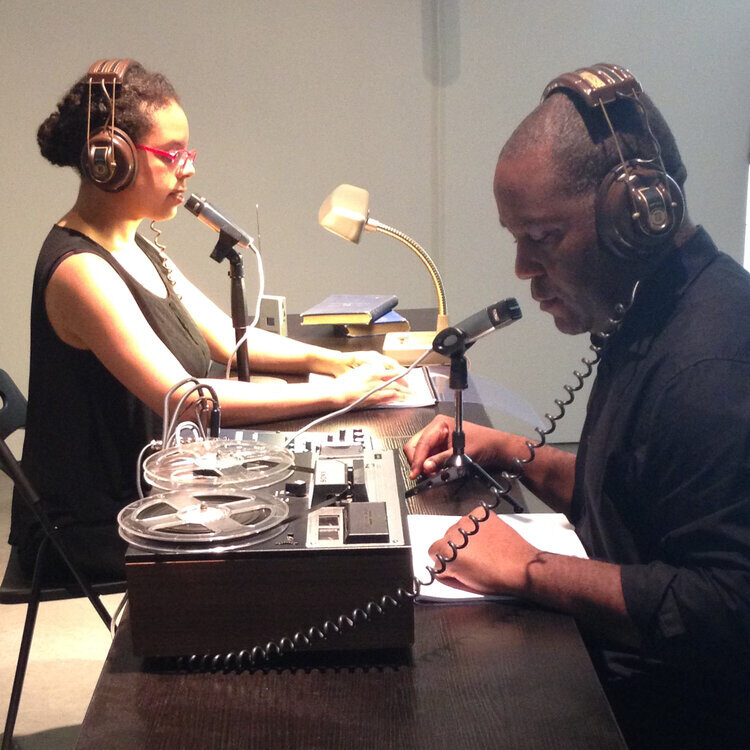
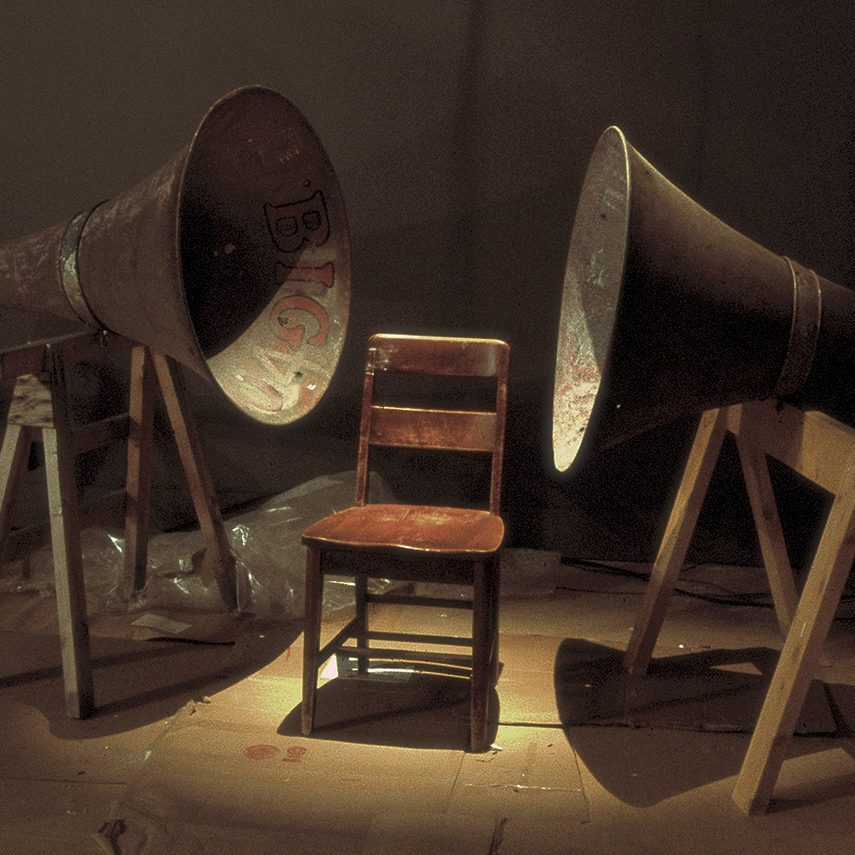
    Mendi + Keith Obadike make music, art and literature. Their early works include The Sour Thunder, an Internet opera (Bridge Records), Crosstalk: American Speech Music (Bridge Records), Black.Net.Art Actions, a suite of new media (internet art)  works (published in re:skin on M.I.T Press), Big House / Disclosure, a 200-hour public sound installation (Northwestern University), Phonotype, a book & CD of media artworks, and a poetry collection, Armor and Flesh (Lotus Press).

    Read More

  • Nick Cave’s Soundsuits

    Nick Cave’s Soundsuits

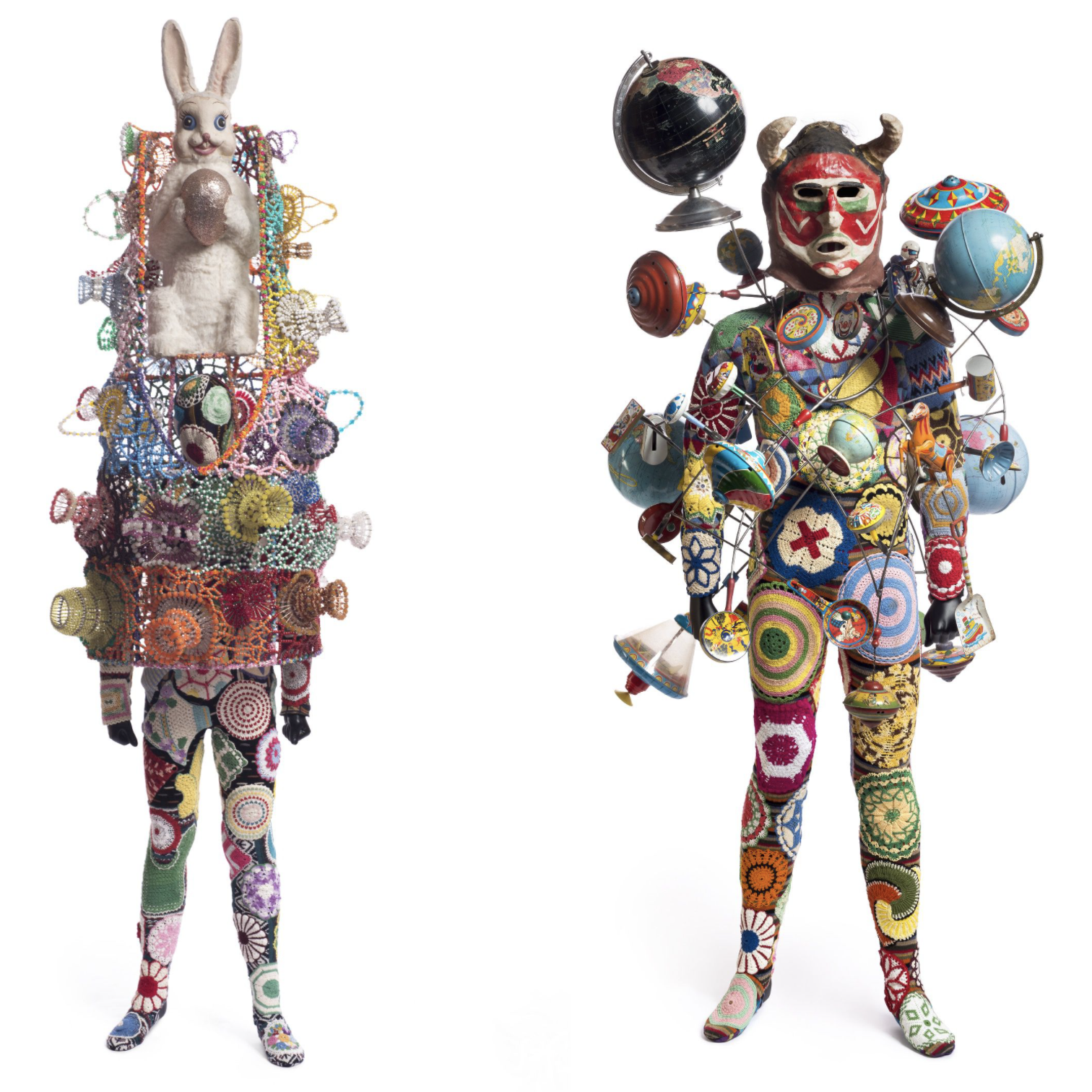
    Cave’s Soundsuits are unique art pieces, combining art, fashion, and performance, created by an “artist with a conscience,” a trailblazer for mixing art, participatory performance, and craft. Behind the whimsical, wearable sculptures, Cave had a message or wanted to lash out at something.

  • Camille Norment

    Camille Norment

    Sound is a physical force that connects everything in its omnidirectional path. The term psychoacoustics names the study of sonic phenomena as it meets, interacts with, and is transformed by encounters with objects, structures and other bodies across time and space.  Camille Norment coined the term cultural psychoacoustics as a dynamic aesthetic and conceptual framework to probe and politicize various cultures of sonic investigation, particularly instances of sonic and social dissonance. Here, the sonic is not only sound listened to, but sound felt, and even imagined. Human and non-human bodies are activated through the resonance of empathetic narratives that emerge between the present, and a multiplicity of concurrent histories and futures. 

    Camille Norment


  • Cardiff & Miller

    Cardiff & Miller

    Canadian artists Janet Cardiff and George Bures Miller live and work in British Columbia. They are best known for their immersive multimedia sound installations and audio/video walks.

    Since the early 1990s, they have created interactive “walks,” site-specific experiences in which a viewer is guided through a space with the use of a binaural audio soundtrack and video. The artists’ seamlessly blend reality with a fictional narrative, manipulating the perception and experience of a physical environment. Their “walks” have been staged in locations ranging from the Walt Disney Concert Hall in downtown Los Angeles to Villa Medici in Rome, and in sections of cities including London, Sydney, the Old Town district of Edinburgh, Scotland, and New York’s Central Park.

    In addition to their “walks,” Cardiff and Bures Miller also work with installations, creating immersive environments that use sound and other elements to surround viewers. The pair created FOREST (for a thousand years…) for Documenta in Kassel, Germany. The piece is set in a clearing in the forest, where, rather than moving through the space, the audience is seated on wooden stumps. A soundtrack that includes airplanes and explosions, wind, birds, horses, and gunfire plays around them on more than 30 speakers, building into chaos and then retreating. Originally created in 2012, the piece was reprised in 2018, when it was presented in the University of Califonria’s Santa Cruz Arboretum and Botanic Garden. In Art in America, Gregory Volk describes the uncanny experience of hearing the natural and recorded sounds, layered together. “A remarkable thing about Janet Cardiff and George Bures Miller’s utterly captivating sound installation is how it blurs distinctions between site and art,” he writes. “In turn frightening and deeply touching, ominous and serene, Cardiff and Bures Miller’s forest soundscape is a wonder.”