Author: peter

  • Christine Sun Kim: The World is Sound

    Christine Sun Kim: The World is Sound

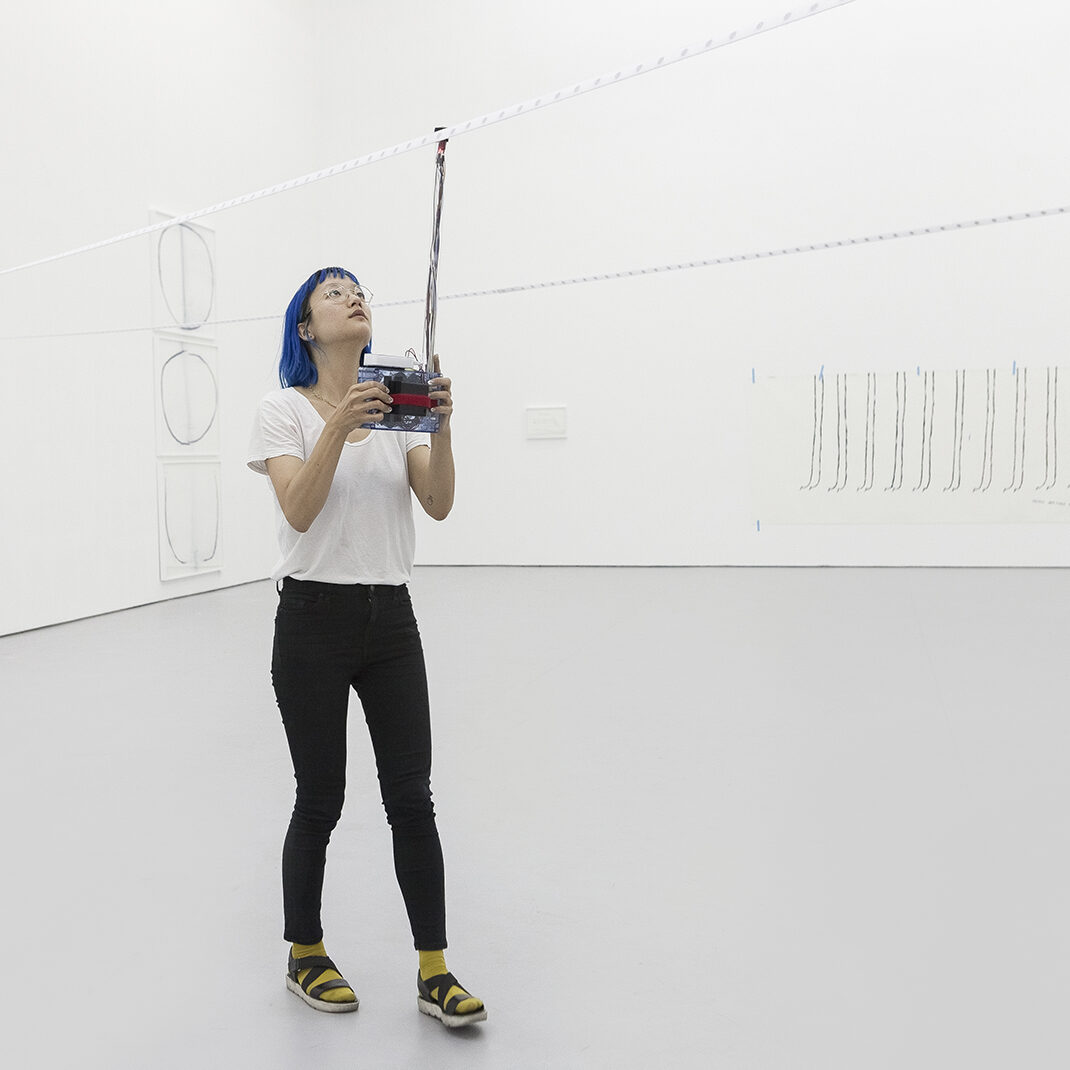
    Christine Sun Kim has crafted a renowned practice that considers how sound operates in society, deconstructing the politics of sound and exploring how oral languages operate as social currency. Musical notation, written language, infographics, American Sign Language (ASL), the use of the body, and strategically deployed humor are all recurring elements in her practice. Working across drawing, performance, video and large scale murals, Kim explores her relationship to spoken and signed languages, to her built and social environments, and to the world at large.

    Kim (b. 1980, Orange County, California, USA) has exhibited and performed internationally, including at the Gwangju Biennale (2023); Secession, Vienna (2023); Queens Museum, New York (2022); the Drawing Center, New York (2022); the Museum für Moderne Kunst, Frankfurt (2021); Manchester International Festival, Manchester (2021); MIT List Visual Arts Center, Cambridge (2020); Whitney Biennial, New York (2019); Buffalo AKG Art Museum, Buffalo (2019); Art Institute of Chicago (2018); San Francisco Museum of Modern Art (2017); De Appel Arts Center, Amsterdam (2017); Berlin Biennale (2016); Shanghai Biennale (2016); MoMA PS1, New York (2015) and the Museum of Modern Art, New York (2013), among numerous others. Kim’s awards and fellowships include an MIT Media Lab Fellowship, a United States Artists fellowship, a Ford and Mellon Foundations’ Disabilities Future Fellowship, and the Prix International d’Art Contemporain of the Fondation Prince Pierre de Monaco. Her works are held in numerous prominent collections, including the Museum of Modern Art, New York, LACMA, Tate Britain, Smithsonian American Art Museum, Museum of Contemporary Art, Los Angeles, and the Whitney Museum of American Art, among others. She is represented by François Ghebaly Gallery in Los Angeles and WHITE SPACE in Beijing. Kim lives and works in Berlin.

    Artist Christine Sun Kim discusses her newest series, “The Sound Of,” as seen in the exhibition The World Is Sound. I’m amazed at how clearly this piece represents concepts using a single aspect of musical notation — dynamics. This piece is a great example of sound art that references sound but does not require the movement of air particles. On one hand, it explores the potential of psychoacoustics, and on the other, it highlights the dynamics and motion in communication, especially non-sounding communication. Be sure to take a look at Christine Sun Kim’s other work as well — it’s all wonderfully considered and mind expanding.
  • Zimoun

    Zimoun

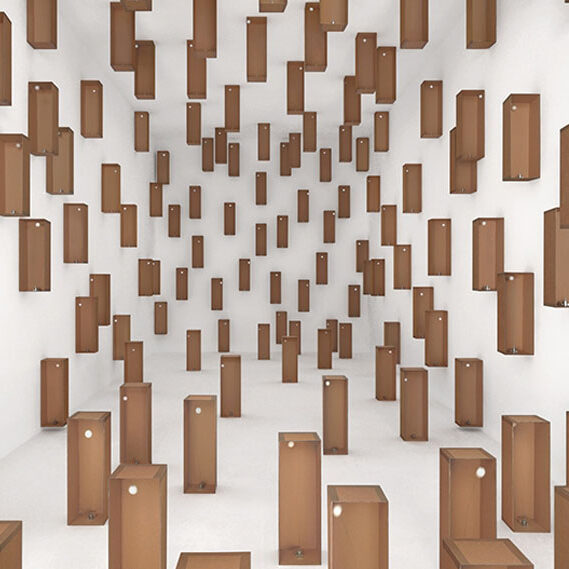
    “Using simple and functional components, Zimoun builds architecturally-minded platforms of sound. Exploring mechanical rhythm and flow in prepared systems, his installations incorporate commonplace industrial objects. In an obsessive display of simple and functional materials, these works articulate a tension between the orderly patterns of Modernism and the chaotic forces of life. Carrying an emotional depth, the acoustic hum of natural phenomena in Zimoun’s minimalist constructions effortlessly reverberates.”

    Zimoun : A Selection of Works 2005-2021
    Compilation Video Version 4.2 / Updated: November 2021
    HD 1920 x 1080 px, 21.26 min.

    _

    More works & information:
    zimoun.net


  • Speaking to Their Mother by Rebecca Belmore

    Speaking to Their Mother by Rebecca Belmore

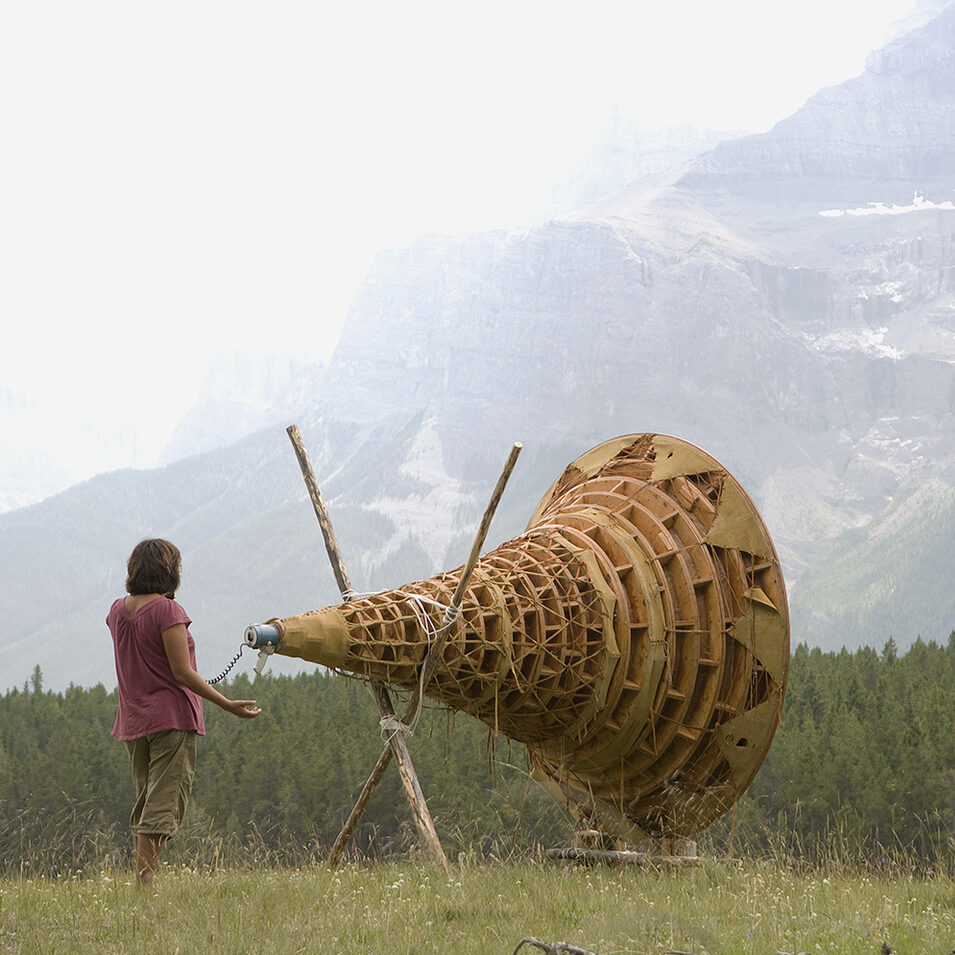
    “This artwork was my response to what is now referred to in Canadian history as the “Oka Crisis.” During the summer of 1990, many protests were mounted in support of the Mohawk Nation of Kanesatake in their struggle to maintain their territory. This object was taken into many First Nations communities – reservation, rural, and urban. I was particularly interested in locating the Aboriginal voice on the land. Asking people to address the land directly was an attempt to hear political protest as poetic action.”

    ~ Rebecca Belmore

    A short documentary about the Speaking to Their Mother

  • Event, Stream, Object by Florian Hecker

    Event, Stream, Object by Florian Hecker

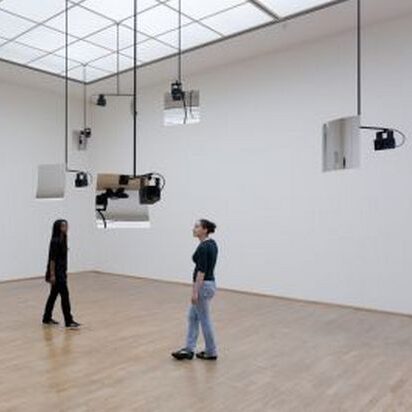
    As part of MMK’s exhibit Radical Conceptual, Hecker’s project Event, Stream, Object creates an unusual listening environment to manipulate one’s perception of sound. Hecker’s multilayered composition is supported by a system of eight qfactor loudspeakers, each conveying a sequence of synthetic sounds. The miniature loudspeakers are suspended from the ceiling, with bent reflectors in front of the them to emphasize the way sounds rebound and are diverted, thus heightening the complexity of the experience.

    “In my works, I have to place sound sources at distinct positions, where seeing them becomes a crucial aspect for the multimodal experience of these pieces,” says Hecker. “Event, Stream, Object dramatizes an uncoupling of sound sources in the space and the locations from which we perceive them to come.”

    Event, Stream, Object offers an unpredictable visitor experience, and also serves as an educational experiment for the artist. “At certain moments one isn’t so sure any longer where a sound comes from,” says Hecker. “I’m interested in this exact moment where different models of auditory perception, the event, the stream and the auditory object interfere.”

  • Pirouette by Adam Basanta

    Pirouette by Adam Basanta

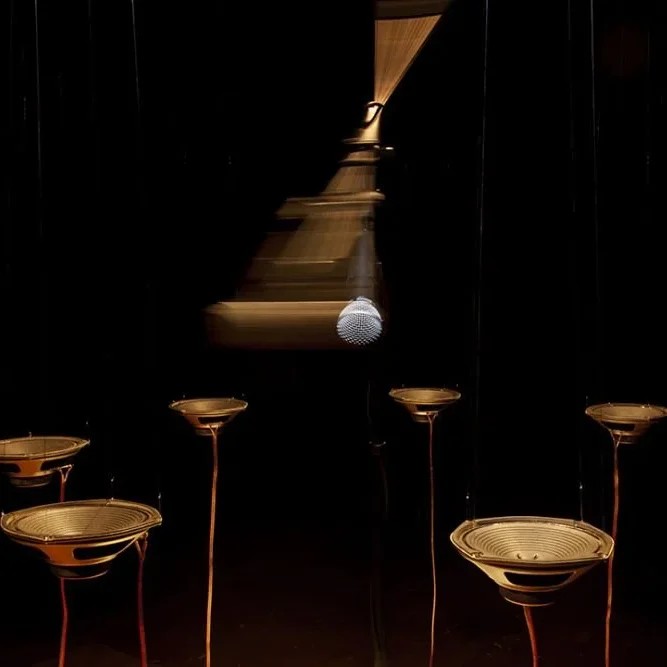
    Pirouette is part of a series of works exploring relationships between microphones, speakers, and surrounding acoustic environments through controlled, self-generating microphone feedback. Amplifying and aestheticising the acoustic inactivity between technological ‘inputs’ and ‘outputs’ – stand-ins for their corporeal correlates, the ear and mouth – the notion of a causal sound producing object is challenged, and questions are posed as to the status of the ‘amplified’. By building flawed technological systems and nullifying their intended potential for communication, the ear is turned towards the empty space between components; to the unique configurations of each amplifying assemblage.

    In Pirouette, a microphone rotates slowly, like a life-sized ballerina atop a music box, bringing it in proximity to seven mounted speaker cones. As the microphone hovers over each speaker in sequence, a tuned feedback melody emerges. Throughout nine full rotations, a skeletal version of the main theme from Tchaikovsky’s Swan Lake ballet can be heard.

    another (better?) video

  • Playing Patterns by Pearla Pigao

    Playing Patterns by Pearla Pigao

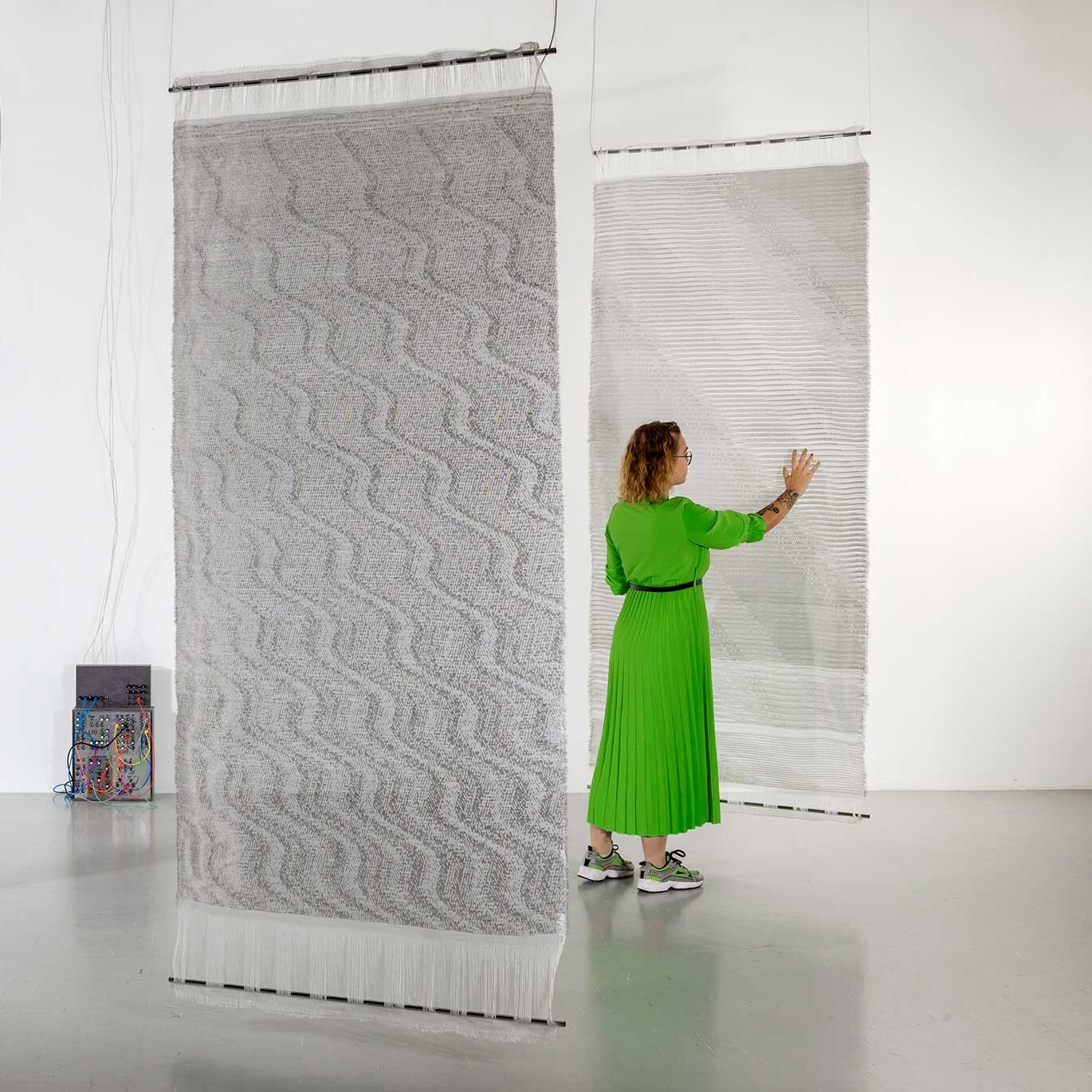
    Pearla Pigao weaves large-scale tapestries that double as musical instruments. By using metal threads as warp and weft in the loom, the tapestries can played by audiences moving between and around the textiles, altering the electromagnetic field between their body and the textile surface.

    detailed information about the concept and technical process!


  • Clinamen by Céleste Boursier-Mougenot

    Clinamen by Céleste Boursier-Mougenot

    Céleste Boursier-Mougenot is a French artist and composer who creates large-scale acoustic installations and environments which draw upon forces of nature and the rhythms of everyday life to produce new forms of art and music.

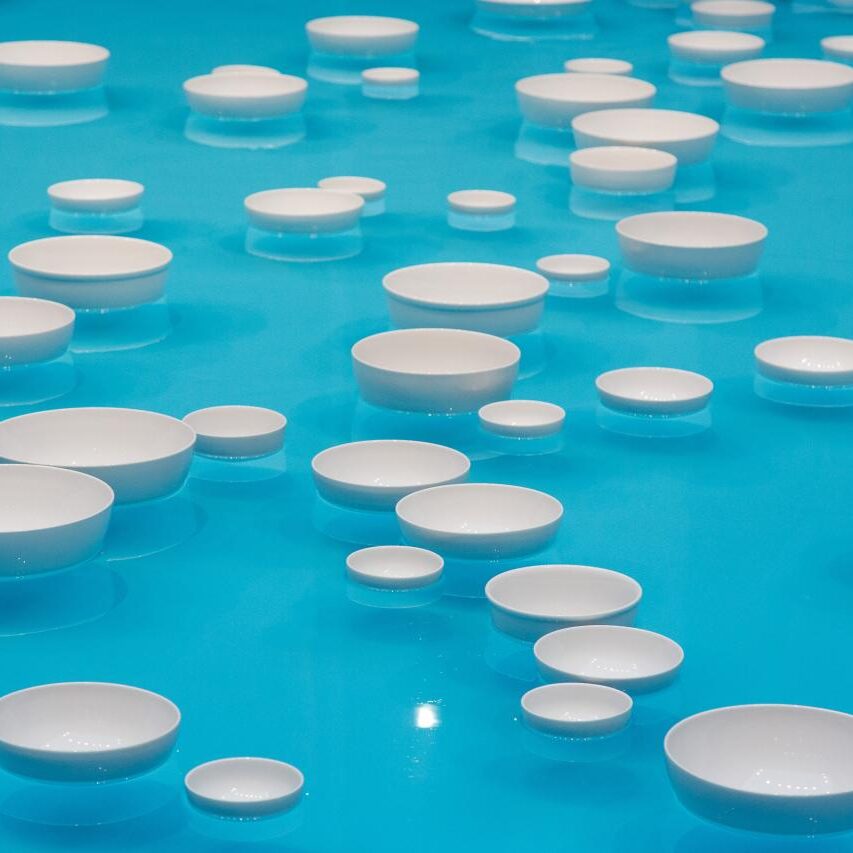
    With clinamen 2013, white porcelain bowls float upon an intensely blue pool. Circulating gently, swept along by submarine currents, floating crockery acts as percussive instruments, creating a resonant, chiming acoustic soundscape, marked by complexity, hidden patterns and chance compositions.

    In its unification of colour, sound and space, clinamen encourages a form of multi-sensory or ‘synaesthetic’ engagement with the work of art. Working in a tradition established by American composer John Cage, Boursier-Mougenot’s installation promotes chance and indeterminacy in musical composition, as well as the use of unorthodox musical instruments. 

  • Ei Wada performs on 5 televisions

    Ei Wada performs on 5 televisions

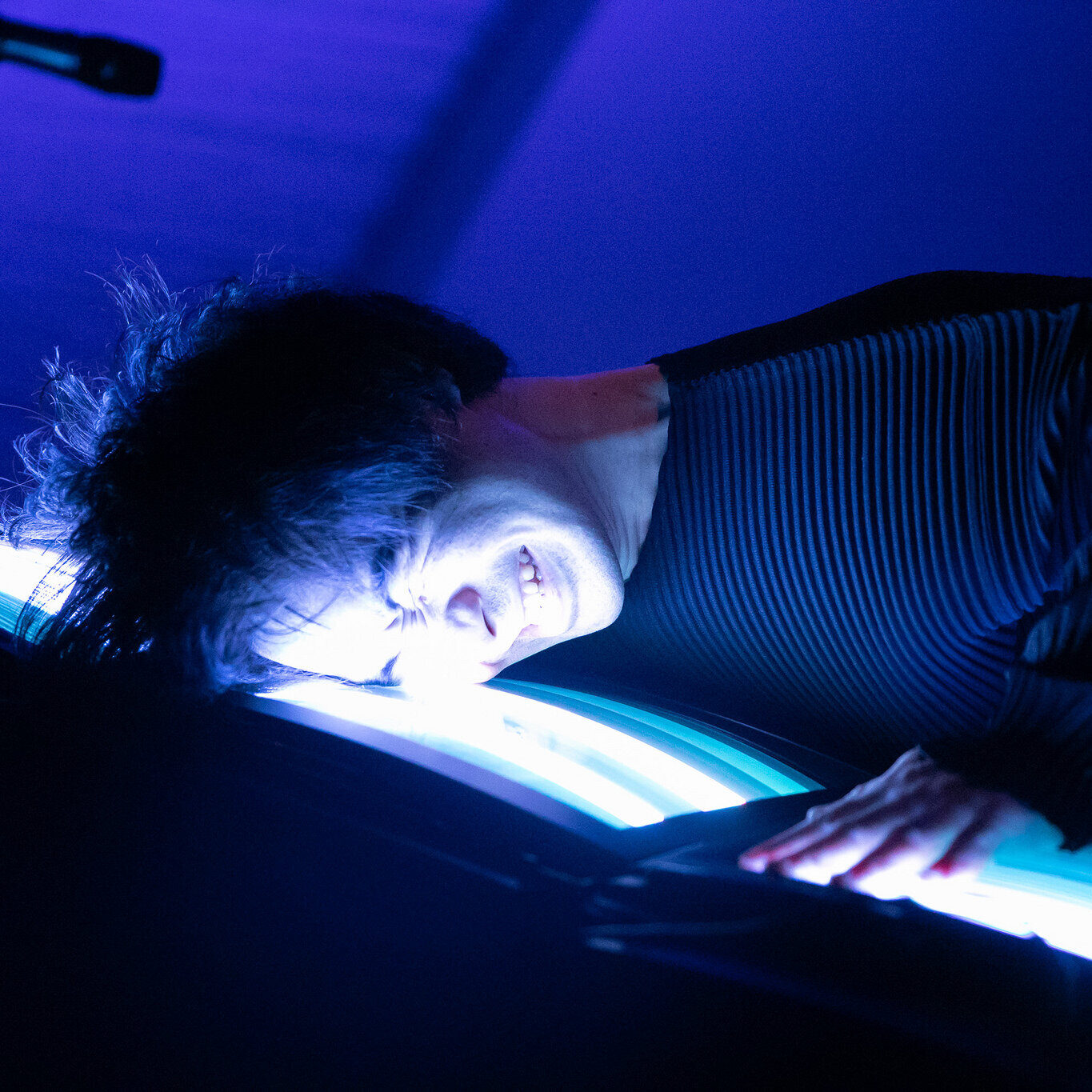
    Ei Wada rebuilds old electric appliances into electronic musical instruments, and creates and exhibits works of art and music performed by new and unique methods. In 2009, he started the group Open Reel Ensemble, which manipulates and plays reel-to-reel tape recorders. The group is involved in a wide range of activities including concert performances, DVD/CD and book publishing, art installations and providing music for movies and catwalk shows. Recently it has begun an ambitious orchestral project using 20 reel-to-reel tape recorders. Also, He has provided music for ISSEY MIYAKE’s Paris Collection for 11 consecutive times. He has performed in various locations around the world. His latest project is called “ELECTRONICOS FANTASTICOS!” for which they create electromagnetic musical instruments, orchestra and strange festival using used electrical appliances with the participants.

    Ei Wada

  • Ínyan Iyé (telling rock) by Suzanne Kite

    Ínyan Iyé (telling rock) by Suzanne Kite

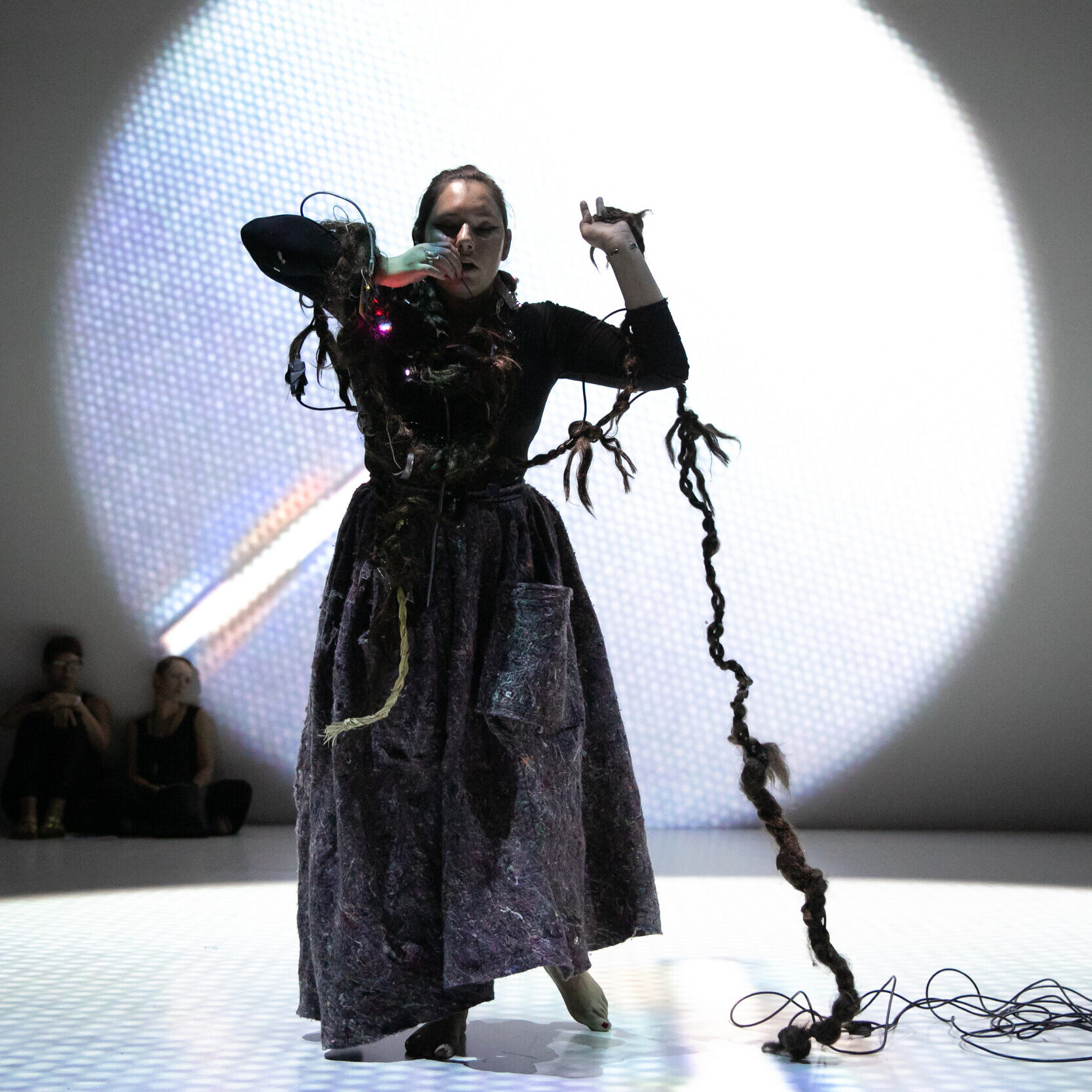
    This sculpture interrogates the relationships between human and non-human entities and intelligences. Through Oglala Lakota ontologies, even materials such as metals, rocks, and minerals can communicate of their own volition. By considering the ‘hearing’ and ‘listening’ capabilities of nonhuman entities, a method of engagement reliant upon mutual respect and responsibility becomes possible. Íŋyaŋ Iyé speaks, you respond to it by bending and moving its braids, effecting the sounds it makes. Íŋyaŋ Iyé listens to the changes in its own voice and generates a response in lights and sound.

    More of Suzanne Kite’s work

    Kite aka Suzanne Kite is an Oglála Lakȟóta performance artist, visual artist, and composer raised in Southern California, with a BFA from CalArts in music composition, an MFA from Bard College’s Milton Avery Graduate School, and is a PhD candidate at Concordia University. Currently she is a 2019 Pierre Elliott Trudeau Foundation Scholar and a Research Assistant for the Initiative for Indigenous Futures. Her research is concerned with contemporary Lakota epistemologies through research-creation, computational media, and performance practice. Recently, Kite has been developing a body interface for movement performances, carbon fiber sculptures, immersive video & sound installations, as well as co-running the experimental electronic imprint, Unheard Records.

  • Camille Norment on Max Neuhaus

    Camille Norment on Max Neuhaus

    More information on Max Neuhaus

    “In our daily lives, our eye and ear are constantly working together as a closely linked team to form our perception of the world. 

    Traditionally practitioners in the plastic arts have adjusted this perception through vision, forming with shape and color. I on the other hand work with our sense of hearing.

    Our perception of space depends as much on what we hear as on what we see.” 

    ~ m.n.